Raising Kids in Spain — What Family Life Really Looks Like Day to Day
One mum rang me a few months before her move and asked a question I still think about: is Spain really that good for children, or is it just a pretty Instagram story? I told her exactly what I tell everyone — it's not perfect. But it is good. And in a way you feel every single day, not just on holiday.
Why Spain's pace of life works so well for families
Let's start with what you can't see in the photos. Spain has a solid social infrastructure — access to education, healthcare and essential public services that genuinely works. This isn't a promise on paper. It's a reality I've watched play out for my clients and neighbours for years.
But there's something else. Life here is built around community, shared time and the outdoors. Parks, squares, pedestrian-friendly streets — these are the result of a culture that puts connection above rushing. Children don't stay cooped up indoors. They walk to school on their own, play outside, join activities without a parent hovering at their shoulder.
For many mums and dads arriving from abroad, it's a cultural shock. The good kind.
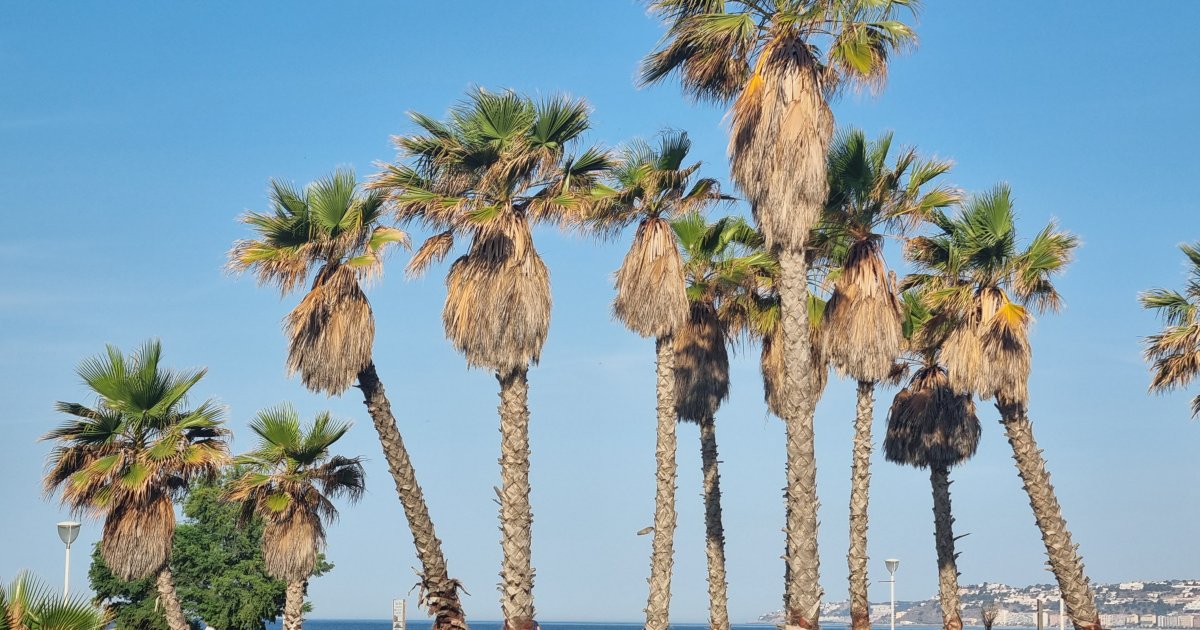
Spain consistently ranks highly in global safety indices — low violent crime rates, strong neighbourhood ties. Add to that a climate that isn't just a holiday promise — generous sunshine and mild winters across most regions are simply everyday life. Meals outside, weekend hikes, afternoons at the beach — not as a treat, but as a regular Tuesday.
Schools in Spain — what to choose and what to look out for
This comes up in almost every conversation I have with clients who have children. And rightly so — because the choice of school can genuinely determine how quickly your child settles in.
The education system, step by step
Nursery and day care covers children from 0 to 3 years old — not compulsory, but helpful for working parents. Pre-school runs from 3 to 6 and already at this stage children are prepared both academically and socially. Primary school covers ages 6–12, followed by compulsory secondary education from 12 to 16. After that, pupils choose between a university-track sixth form or a vocational pathway.
Spain has three types of schools: state-funded public schools, independent private schools, and the so-called concertado — semi-private schools that combine public funding with private management. This variety is a real advantage. Every family can find something that suits both their educational values and their budget.
Regional differences that actually matter
Spain is a country of autonomous communities, and that genuinely affects education. In Catalonia and Valencia, bilingual teaching is widespread — Catalan or Valencian alongside Spanish. In Andalusia, Spanish is the main language of instruction. If you have a particular region in mind, it's worth checking the school's language model before you start looking for a flat.
For families from abroad, there are also private international schools offering British, American or French curricula. Costs vary depending on the city and the school — when planning your budget, make sure to account for both tuition fees and additional charges.
There's one long-term benefit that rarely gets mentioned at the start: children raised in Spain naturally become bilingual. School, friends, everyday errands — the language grows on its own.
Healthcare — what you get and when you'll pay more
What happens if we get ill? Does it actually work? My clients ask this a lot. The honest answer is: yes, it does.
The Spanish healthcare system is known for its high standards, modern facilities and well-qualified specialists. Public healthcare provides comprehensive coverage at low out-of-pocket costs and is available to residents who meet the residency requirements.
Private healthcare is the choice for those who value shorter waiting times, faster access to specialists and a more personalised approach. Private packages can be tailored to suit the whole family. Many people use both systems in parallel — public for routine care, private when you need to act without waiting.
Contact me on WhatsAppquick reply, no obligations
What family life in Spain actually costs
There's no single number that answers this question. Because Spain is a country of enormous regional differences, and those differences have the biggest impact on your wallet.
Day-to-day spending — groceries, public transport, eating out — is often lower than in many other Western European countries. That's a genuine advantage for families who want to live well without constant financial pressure.
But Madrid and Barcelona are a completely different league from Almería or Murcia. In major cities, property prices and the cost of living are noticeably higher. In smaller towns and coastal areas, the value for money can be significantly better. Then there's school choice, commuting needs, housing standards and the family's leisure habits to factor in.
The overall financial picture depends on the lifestyle you want to lead. Before you start crunching specific numbers, answer one question first: how do you want to live?
Where in Spain is it great to live with children
Every city offers something different. And that's exactly what makes this country so compelling — you can choose a way of life, not just a location.
Málaga and Alicante — sunshine, coastline, solid infrastructure and a quieter pace. My clients with children who love outdoor living and don't need a metropolis very often end up here. And they stay.
Almería and Murcia — lower cost of living, gentle climate, less crowded surroundings. For families looking for calm and a simpler daily rhythm.
Madrid and Barcelona — international schools, extensive public transport, access to culture and the job market. Higher costs, but also far broader professional and academic opportunities. If a specific school curriculum or a career with a large company matters to you — this is where you'll find the most choice.
Coastal areas offer lifestyle and affordability. Big cities offer more options. The key is matching the place to what genuinely matters to your family.
Things worth knowing before you move with children
A few things that come up regularly in my conversations with clients — better to know them in advance than to discover them on the ground.
Administrative matters — residency permits, local registration, school documents — are worth organising well ahead of time. A single missing document can bring the whole process to a halt at the worst possible moment. It works exactly like getting your NIE when buying property in Spain: don't leave it to the last day.
Language is a natural part of settling in. Many regions are highly international, but knowing the basics of Spanish makes a real difference in everyday interactions and helps you feel part of your new community. Children pick up the language surprisingly quickly. Adults take a little longer. But it's worth starting before the move.
Lifestyle differences are inevitable — mealtimes, the rhythm of the day, the pace of things. These are cultural nuances that, with time, become some of the favourite parts of living here. At the beginning they can catch you off guard. It's good to be prepared for that.
Contact me on WhatsAppquick reply, no obligations
Raising children in Spain isn't a story without its challenges. But it is a country that gives families something they're looking for: the feeling that life doesn't have to be a race. That a good school, reliable healthcare and a peaceful daily routine can genuinely coexist in one place. I see it in the clients who've settled here — and I hear it in the voices of those who are still thinking it over. This is a decision that's rarely regretted.